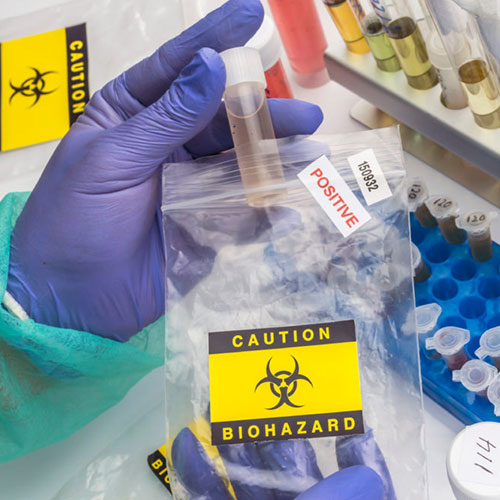
What Exactly Belongs in a Biohazard Bag?
We can find in hospitals, clinics, and labs, it is very important for safe management of contaminated materials. That’s where biohazard bags come in. It is often called medical waste bags (or informally hospital garbage bags), these specialized disposable bags are designed solely for safely holding infectious materials. But not everything goes into them; improper use poses serious health risks and compliance issues.
What is a Biohazard Bag?
A biohazard bag isn’t your average trash liner. It’s a heavy-duty, leak-resistant plastic bag—usually red/yeliow/clear/black—marked with the universal biohazard symbol. It’s strictly for items contaminated with blood, bodily fluids, or other potentially infectious materials (OPIM). While “hospital garbage bag” is a common casual term, it’s misleading: unlike regular trash bags, these are regulated, properly labeled, and built for safety.
Where Are Biohazard Bags Used?
1. Healthcare Settings
Hospitals and clinics rely on biohazard bags for disposing of: soiled gauze, bandages, dressings; contaminated gloves, masks, disposable gowns; used IV tubing and suction canisters. These items must go into proper medical waste bags, not standard trash bins.
2. Laboratories
In research and diagnostic labs, biohazard bags manage non-autoclavable waste, such as: culture plates with pathogens; pathological specimens; disposable pipettes and sample containers exposed to biological agents.
Key Features of Reliable biohazard Bags
Color: Most are bright red (yellow in some regions) to signal biohazard content.
Labeling: Clearly printed with biohazard symbol and warnings like “Biohazard – Infectious Waste.”
Durability: Made from thick, puncture-resistant HDPE to prevent leaks during handling.
High temperature sterilization: For conditions of 121℃ or 135℃ often use pp material.
Special Options: Some have internal absorbent pads to solidify liquids—critical for safe transport and compliant disposal.
Always tie full biohazard bags with a secure gooseneck knot (fill no more than ¾ full) and transfer them promptly to a designated medical waste storage area.
Growing global demand for safe medical and hazardous waste handling—aimed at cutting environmental pollution and public health risks—drives steady growth in the disposable biohazard bag market. Strict regulations worldwide, such as the U.S. EPA’s RCRA and EU’s Waste Framework Directive, require proper waste segregation and disposal, making these bags a staple in healthcare and lab settings.
Per the WHO, over 16 billion injections are administered globally each year, generating massive biomedical waste that needs safe disposal—further boosting market demand. Key market data is summarized in the tables below:
Why Choose UCLEAN’s Biohazard Bags?
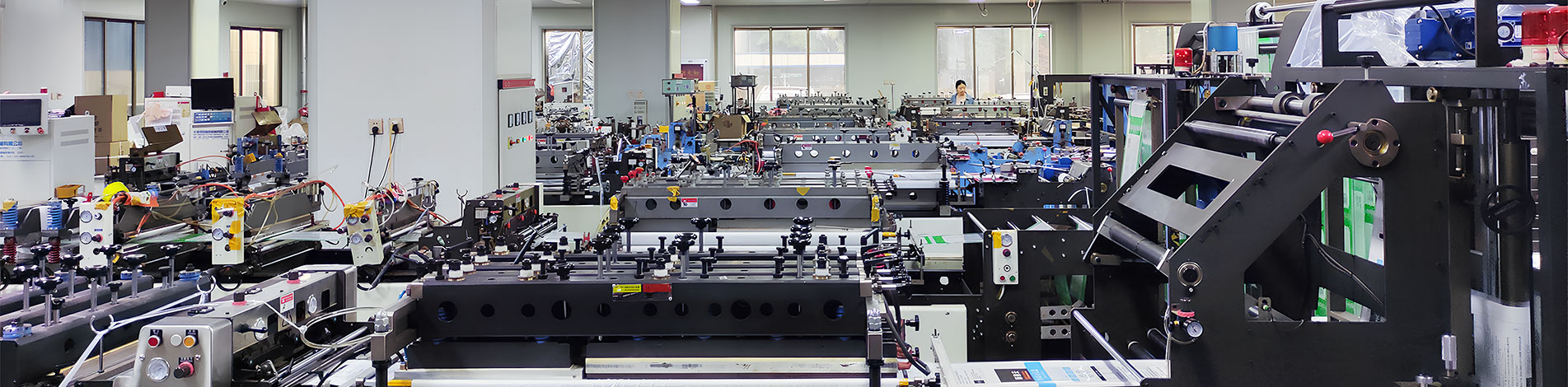
Uclean Plastic offers versatile biohazard bag solutions—including customizable options with logo printing, even for small orders. With over a decade of international trade experience, we combine production flexibility and industry expertise to support businesses of all sizes in meeting market demands efficiently and cost-effectively. Uclean is your trusted partner for quality, flexibility and global reliability, whether launching new lines or scaling operations.



 Network Supported