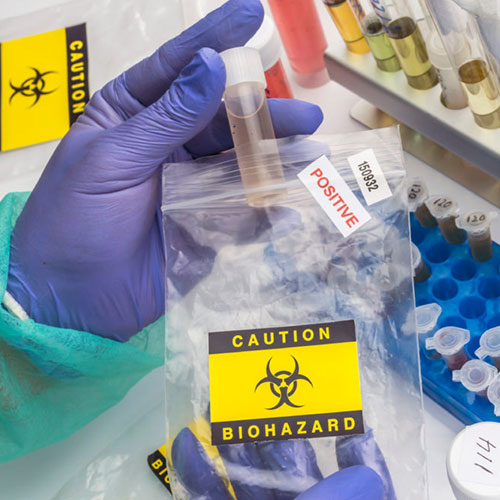
Choosing and Using Sterile Sampling Bags for Reliable Lab Results
Contamination control is non-negotiable in microbiological testing and sample analysis, making sterile sampling bags the backbone of accurate workflows across food safety, pharmaceuticals, and environmental labs. This guide breaks down their key applications, proper handling, and critical variations to help you select the right bag for every task.
Key Applications Across Industries
Sterile sampling bags are engineered to adapt to diverse lab and field needs, with use cases tailored to specific workflows. In food and beverage QA/QC, they are essential for homogenizing meat, produce, or dairy samples, directly supporting HACCP compliance and pathogen detection. Environmental testing teams rely on them for water, soil, and surface sampling, where maintaining sterility is vital for validating microbial counts.
Step-by-Step Usage for Aseptic Results
Proper technique ensures sterile sampling bags deliver consistent, reliable performance. Start by verifying the batch’s sterilization certificate and checking for damage to the outer packaging—discard any bags with tears or compromised seals. Tear open the sterile pouch along the designated line and avoid touching the bag’s interior to maintain asepsis.
1. For solid or liquid samples, fill the bag to no more than two-thirds of its capacity to allow sufficient space for blending or agitation.
2. If using a wire sampling bag with a sponge, thoroughly swab the target surface, then place the sponge directly into the bag without touching the opening to avoid contamination.
3. Seal the bag by twisting the integrated wire tabs three times and folding them back to lock securely in place.
4. For laboratory filter blender sampling bags, release excess air before sealing to prevent the bag from bursting during homogenization.
5. Immediately label the designated writing area on the bag with the sample ID, date, and location to ensure traceability.
UCLEAN: Precision and Compliance in Every Bag
At UCLEAN, our sterile sampling bags are in high demand, especially the standard sizes 17.8 × 7.6 cm and 22.9 × 11.4 cm—ideal for food safety, environmental testing, and lab workflows requiring reliable homogenization or surface sampling. We also offer custom sizes to meet specific application needs. All bags are gamma-irradiated, ensuring sterility, durability, and regulatory compliance.



 Network Supported